Exploring the Systems Behind Fenbendazole and Its Effect On Animal Health And Wellness
Fenbendazole is an extensively utilized anthelmintic recognized for its effectiveness against numerous bloodsuckers. Its primary mechanism entails the inhibition of microtubule development, which disrupts essential processes in these microorganisms. Past its antiparasitic residential properties, fenbendazole additionally appears to improve immune reactions and possesses anti-inflammatory benefits. Recognizing these multifaceted impacts might expose new applications for pet wellness. However, questions remain regarding its full potential and safety account.
The Pharmacokinetics of Fenbendazole
The pharmacokinetics of fenbendazole, a commonly utilized anthelmintic in veterinary medicine, involves the research study of its absorption, distribution, metabolic process, and excretion within pet systems. After management, fenbendazole is rapidly soaked up from the gastrointestinal system, with peak plasma concentrations taking place within hours. Its distribution is affected by elements such as cells binding and lipid solubility, permitting it to pass through various tissues efficiently. The medication goes through substantial metabolic rate largely in the liver, where it is exchanged active and non-active metabolites. These metabolites play a function in the drug's overall efficiency and safety and security account. Discharging takes place mainly through feces, with a smaller sized proportion eliminated using urine. The half-life of fenbendazole varies amongst types, which impacts application regimens. Recognizing these pharmacokinetic residential or commercial properties is important for optimizing its therapeutic use and guaranteeing effective bloodsucker control in veterinary techniques.
Systems of Action Against Bloodsuckers
Fenbendazole applies its antiparasitic results mainly through the restraint of microtubule formation in bloodsuckers. This disruption influences their structural honesty and cellular features, resulting in damaged energy metabolic process. Because of this, the drug properly compromises the survival and recreation of various parasitical organisms.
Inhibition of Microtubule Development
Inhibition of microtubule development represents an essential device where specific anthelmintic representatives, including fenbendazole, apply their effects on parasites. Fenbendazole binds to tubulin, a healthy protein that forms microtubules, interrupting the polymerization process needed for microtubule setting up. This disruption hinders essential cellular features, including mitosis, intracellular transportation, and structural honesty. As microtubules play an essential role in preserving the form and feature of parasitic cells, their inhibition leads to cell cycle apprehension and ultimate death of the bloodsucker. This system is especially reliable versus nematodes, as their reliance on microtubules for flexibility and nutrient absorption makes them prone to fenbendazole. As a result, the restraint of microtubule development is an essential facet of fenbendazole's healing effectiveness in veterinary medicine.
Disturbance of Basal Metabolism
Disrupting basal metabolism is an additional essential system through which fenbendazole targets parasitic organisms. This anthelmintic modifies the power manufacturing pathways within parasites, mainly affecting their ability to generate adenosine triphosphate (ATP) By hindering sugar uptake and interfering with mitochondrial feature, fenbendazole limits the energy sources essential for the survival and recreation of these microorganisms. Because of this, bloodsuckers end up being increasingly vulnerable to ecological stresses and immune feedbacks. The disturbance in energy metabolism not just impacts the bloodsuckers straight but additionally minimizes their capability to assimilate nutrients, better hindering their development - fenbendazole 222. Generally, the disturbance of energy metabolic rate stands for an essential aspect of fenbendazole's effectiveness versus different parasitical infections, contributing significantly to boosted pet health outcomes
Prospective Negative Effects and Safety Profile
The prospective adverse effects and security profile of fenbendazole warrant mindful consideration, specifically in vet applications. While typically considered risk-free, some pets may experience negative reactions, consisting of intestinal disturbances such as throwing up and diarrhea. Furthermore, neurological signs and symptoms, although unusual, have been reported in sensitive people, highlighting the requirement for surveillance throughout treatment.

Fenbendazole's security in numerous species, including pets and cats, has been documented, however dose and period of treatment should be meticulously taken care of to minimize risks. Expecting or lactating animals may likewise need unique interest, as the impacts on developing fetuses or nursing children are not completely comprehended.
Regular veterinary examinations can aid minimize possible side effects and ensure the drug is administered properly. As a result, while fenbendazole is an efficient anthelmintic agent, caution regarding its negative effects is crucial for keeping pet health and wellness.
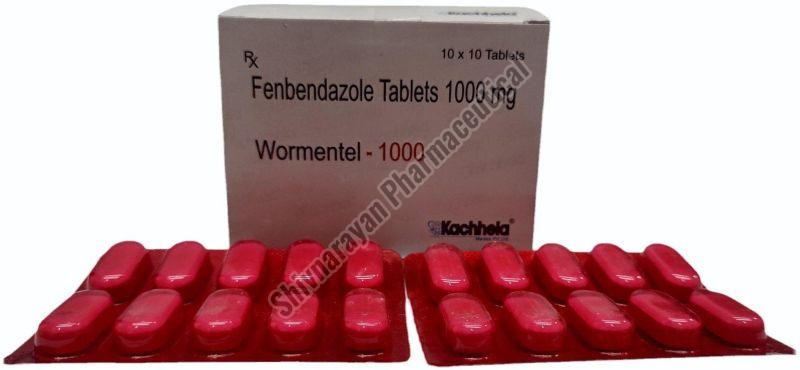
Fenbendazole's Influence on Immune Feature
Fenbendazole has actually been kept in mind for its possible to modulate immune system feedbacks in animals. Its anti-inflammatory homes may add to improved immune feature, offering a twin advantage in handling health (fenbendazole 444). Recognizing these effects is essential for assessing fenbendazole's duty in vet medicine
Body Immune System Modulation
Anti-inflammatory Properties
Anti-inflammatory effects stand for a substantial facet of fenbendazole's impact on immune feature. Research study indicates that fenbendazole may reduce the manufacturing of pro-inflammatory cytokines, which are crucial in moderating inflammatory actions. By modulating these cytokines, fenbendazole can potentially reduce inflammation-related conditions in pets. This anti-inflammatory activity not only aids in handling symptoms associated with numerous diseases yet additionally improves overall body immune system efficiency. Additionally, its capability to advertise a well balanced immune reaction helps protect against extreme inflammatory damage, which can bring about persistent wellness problems. Fenbendazole's role in swelling monitoring highlights its importance in veterinary medicine, providing a double advantage of antiparasitic action and immune system support for pet health.
Applications Past Traditional Parasitical Infections
While primarily identified for its effectiveness versus numerous parasitic infections, fenbendazole has actually gathered attention for prospective applications past this traditional extent. Current researches recommend that fenbendazole may have valuable effects on mobile wellness and immune feedback, making it an interesting prospect for managing various other health and wellness problems in pets. For example, its reported anti-inflammatory buildings may offer alleviation for pets dealing with chronic inflammatory illness. Additionally, some research suggests that fenbendazole might play a duty in 222 mg sustaining the total health of pets by boosting vitamins and mineral absorption and intestinal health and wellness. Furthermore, its possible as a complement treatment in cancer cells therapy has actually triggered passion, as initial searchings for suggest it could inhibit tumor cell development in specific contexts. These varied applications highlight fenbendazole's adaptability, urging additional exploration into its multifaceted benefits for pet wellness past its standard use as a deworming representative.
Future Research Study Instructions and Implications for Animal Wellness
The expedition of fenbendazole's prospective applications has opened up new avenues for research targeted at improving animal wellness. Future research studies could concentrate on its efficiency against a more comprehensive array of virus, including bacteria and infections, thus expanding its duty in veterinary medication. The ramifications of fenbendazole's mechanisms, such as its influence on immune modulation, warrant additionally examination to recognize how it can bolster general wellness in various species.
Additionally, study may check out excellent dosages and formulas to maximize efficacy while reducing prospective negative effects. Exploring fenbendazole's collaborating effects with various other medicines might cause a lot more efficient treatment procedures. Longitudinal research studies assessing lasting end results in animals treated with fenbendazole might give useful insights into its safety and security and performance. Generally, the ongoing exploration of fenbendazole supplies promising possibility to improve animal wellness, necessitating a collective approach amongst scientists, veterinarians, and pharmaceutical programmers to help with improvements in this location.
Frequently Asked Concerns
Can Fenbendazole Be Utilized in Animals for Bloodsucker Avoidance?
The inquiry of whether fenbendazole can be used in animals for parasite prevention is appropriate, as manufacturers look for effective treatments (fenbendazole capsules). Research study suggests it might provide advantages, but appropriate guidelines and veterinary advice are vital for secure usage
What Is the Recommended Dosage of Fenbendazole for Different Animals?

Are There Any Type Of Known Drug Communications With Fenbendazole?
Present knowledge shows that fenbendazole might communicate with certain medications, potentially impacting their efficacy or metabolism. Vet professionals advise speaking with a veterinarian to analyze private animal situations and identify any possible communications before administration.
Exactly How Does Fenbendazole Compare to Various Other Antiparasitic Medications?
Fenbendazole is often contrasted to various other antiparasitic medicines based upon effectiveness, range of activity, and safety and security profiles. It is preferred for its efficiency versus a wide variety of parasites while normally displaying marginal negative effects in pets.
Is Fenbendazole Effective Versus Viral or Bacterial Infections in Animals?
The efficiency of fenbendazole against viral or microbial infections in animals continues to be unproven. Study mostly concentrates on its antiparasitic properties, with restricted proof sustaining any type of function in treating non-parasitic infections in veterinary medicine.